
Selling a Home in Troy, Michigan: A Comprehensive Guide for Homeowners
Selling a home in Troy, Michigan requires understanding local demand along Big Beaver Road, Rochester Road, and quieter residential pockets near Boulan Park. According to Redfin, the median Troy sale price hovered around $450,000 in early 2024, with competitive bidding common for updated properties. Thoughtful preparation, accurate pricing, and strategic marketing help sellers in neighborhoods around Troy High School, Athens High School, and the Somerset Collection corridor capture attention in a market where well-presented listings can still move quickly.
How Should Sellers Prepare a Troy Property Before Listing?
Preparation for selling a home in Troy, Michigan often begins with a careful walk-through of interiors and exteriors. Homes near Stage Nature Center and Firefighters Park benefit when landscaping highlights mature trees and clean sight lines from the street. According to Zillow, updated kitchens and baths can add measurable appeal in the $350,000 to $550,000 range, especially for buyers focused on move-in-ready homes along Maple Road, Crooks Road, and John R Road.
Professional cleaning and minor repairs frequently return more than their cost. Re-caulking bathrooms, repainting scuffed trim, and servicing HVAC systems help inspections proceed smoothly. The City of Troy neighborhood services pages on City of Troy highlight local permit expectations, which matter when past projects on decks, basements, or additions need documentation. Sellers near Troy Public Library or the Troy Community Center often schedule pre-listing consultations with contractors so lingering issues do not disrupt negotiations.
On spring afternoons, a freshly prepared home near Somerset Collection can feel immediately inviting as sunlight glows across refinished hardwood floors and the faint aroma of cleaned carpets replaces older odors. Outside, trimmed shrubs along Civic Center Drive and swept walkways soften traffic sounds from I-75 into a distant hum. Prospective buyers stepping onto a tidy front porch in the neighborhoods bordering Crooks Road often notice cool metal railings, clean doormats, and the quiet rustle of leaves before even reaching the entry.
What Pricing Strategies Work Best When Selling in Troy?
Pricing strategy for selling a home in Troy, Michigan typically starts with recent comparable sales near similar schools and amenities. According to Redfin, many Troy properties sold within roughly 20 to 30 days during early 2024 when priced close to market value. Homes near Troy High School, Athens High School, and Baker Middle School generally command premiums, especially when walkable to parks such as Boulan Park or Firefighters Park.
Overpricing by even 3% to 5% can push a listing beyond buyer search filters, extending days on market and inviting lower offers. According to Zillow, strategically pricing slightly below perceived market value can generate multiple offers in competitive submarkets. In Troy, that approach often appears near Rochester Road and Big Beaver Road, where renovated colonials and ranch homes remain in steady demand among commuters heading toward Detroit, approximately 23 miles south.
Tax considerations also influence pricing decisions. Based on data from Oakland County, effective property tax rates in the region often fall between roughly 1.5% and 2%. Buyers frequently compare total annual tax estimates for similar homes near Stage Nature Center, Red Run Golf Club, and neighborhoods off Crooks Road. Sellers who understand this comparison can calibrate list prices to reflect updated roofs, windows, or energy-efficient systems that lower long-term ownership costs.
How Important Is Timing and Seasonality in the Troy Market?
Timing plays a significant role in selling a home in Troy, Michigan, especially for properties near sought-after schools and parks. According to Redfin, many Midwest markets experience listing surges between March and June, when families plan moves before the academic year. In Troy, this period often aligns with heightened interest in homes around Troy High School, Smith Middle School, and Leonard Elementary, as buyers seek enrollment stability and proximity to after-school programs at the Troy Community Center.
Weather also shapes selling windows. Snowy conditions from December through February can limit curb appeal on streets like Maple Road or John R Road, where plowed piles obscure landscaping. However, serious winter buyers sometimes face less competition, which can favor well-priced homes near Oakland Mall or Beaumont Hospital, Troy. According to Zillow Research, national data show sale-to-list price ratios edging closer to 100% when listings hit the market just before peak seasonal demand.
An early June evening open house near Stage Nature Center often feels markedly different from a January showing. Warm air carries the scent of cut grass from nearby yards, and soft bird calls drift from tree-lined cul-de-sacs just off Rochester Road. Sunlight lingers across patios, warming brick pavers underfoot, while distant laughter from families walking toward Boulan Park gives the block an easy, unhurried rhythm that encourages longer visits and more relaxed conversations about offers and terms.
Which Marketing Approaches Reach Buyers Most Effectively in Troy?
Effective marketing for selling a home in Troy, Michigan increasingly centers on digital visibility while still leveraging local recognition of landmarks like Somerset Collection and Troy Public Library. According to National Association of Realtors surveys, well over 90% of buyers begin searches online, making high-quality photography and accurate descriptions essential. Listings that highlight proximity to I-75 access points, Beaumont Hospital, Troy, and shopping along Big Beaver Road often capture attention from regional commuters.
Floor plans, virtual tours, and aerial imagery help buyers visualize layouts of split-levels, colonials, and ranch homes common along Crooks Road, Maple Road, and John R Road. Mentioning walking distance to parks such as Firefighters Park or Red Run Golf Club helps communicate lifestyle benefits. According to Walk Score, Troy records a walk score around 42, so clear descriptions of nearby sidewalks, trails, and shopping centers help buyers understand actual walkability block by block.
Targeted advertising can extend beyond national portals. Social media campaigns featuring recognizable backdrops such as the Troy Community Center pool, Somerset Collection skylights, or paths at Stage Nature Center reinforce a property’s location advantage. For some sellers, professionally printed brochures highlighting distances like 1 mile to Boulan Park or 3 miles to Beaumont Hospital, Troy, distributed at local businesses along Rochester Road and Civic Center Drive, still reach buyers who spend significant time within the city.
What Role Do Financing and Closing Logistics Play for Troy Sellers?
Financing dynamics significantly shape net proceeds when selling a home in Troy, Michigan. Many buyers rely on conventional loans, yet Federal Housing Administration programs remain relevant. According to HUD, FHA loans can require as little as 3.5% down, expanding the pool of qualified purchasers for moderately priced properties near Oakland Mall or older subdivisions off Crooks Road. Sellers often weigh offer strength by down payment size, lender reputation, and proposed timelines for inspections and appraisals.
Closing costs and commissions also shape planning. National surveys cited by the National Association of Realtors indicate typical combined commissions in the range of 5% to 6%, with additional closing expenses adding another 1% to 3%. Sellers in Troy neighborhoods surrounding Boulan Park, Firefighters Park, and Red Run Golf Club often review estimated net sheets before accepting offers, ensuring final proceeds align with plans for purchasing condos near Oakland University or downsizing to townhomes closer to Somerset Collection.
Inspection negotiations form another critical step. Appraisers evaluating properties along Big Beaver Road, Rochester Road, and Civic Center Drive may adjust values based on recent sales and condition. According to Consumer Financial Protection Bureau guidance, appraisals aim to reflect market value, but low results occasionally require price adjustments or larger buyer down payments. Sellers who complete roof, electrical, or plumbing updates before listing often experience smoother underwriting and fewer last-minute delays ahead of closing dates.
The $450,000 median sale price cited at the start of this guide reflects Troy’s position as a stable, mid-to-upper-tier suburban market where careful preparation and data-driven strategy matter. That opening figure underscores how condition, timing, and school proximity along corridors like Big Beaver Road and Rochester Road shape outcomes for homeowners at every price point. The Realcomp MLS statistics portal offers Troy-specific inventory, pricing ranges, and days-on-market trends for ongoing monitoring. Sellers who register automated market reports before the spring listing surge and commit to reviewing new comparable sales at least every 30 days often adjust strategies in time to maintain momentum. Owners who instead delay pricing revisions until late summer or early fall frequently confront extended marketing periods, steeper concessions, and fewer qualified offers in a market that continues rewarding informed, decisive action.
FROM OUR BLOG

Discover Homes for Sale in Troy, MI: Your 2026 Market Overview
Discover Homes for Sale in Troy, MI: Your 2026 Market Overview The Troy, Michigan market continues to attract buyers seeking strong schools and convenient access to metro Detroit employment centers. According to Redfin, Troy’s median sale price in early 2026 falls in the range of $380,000 to $420,00
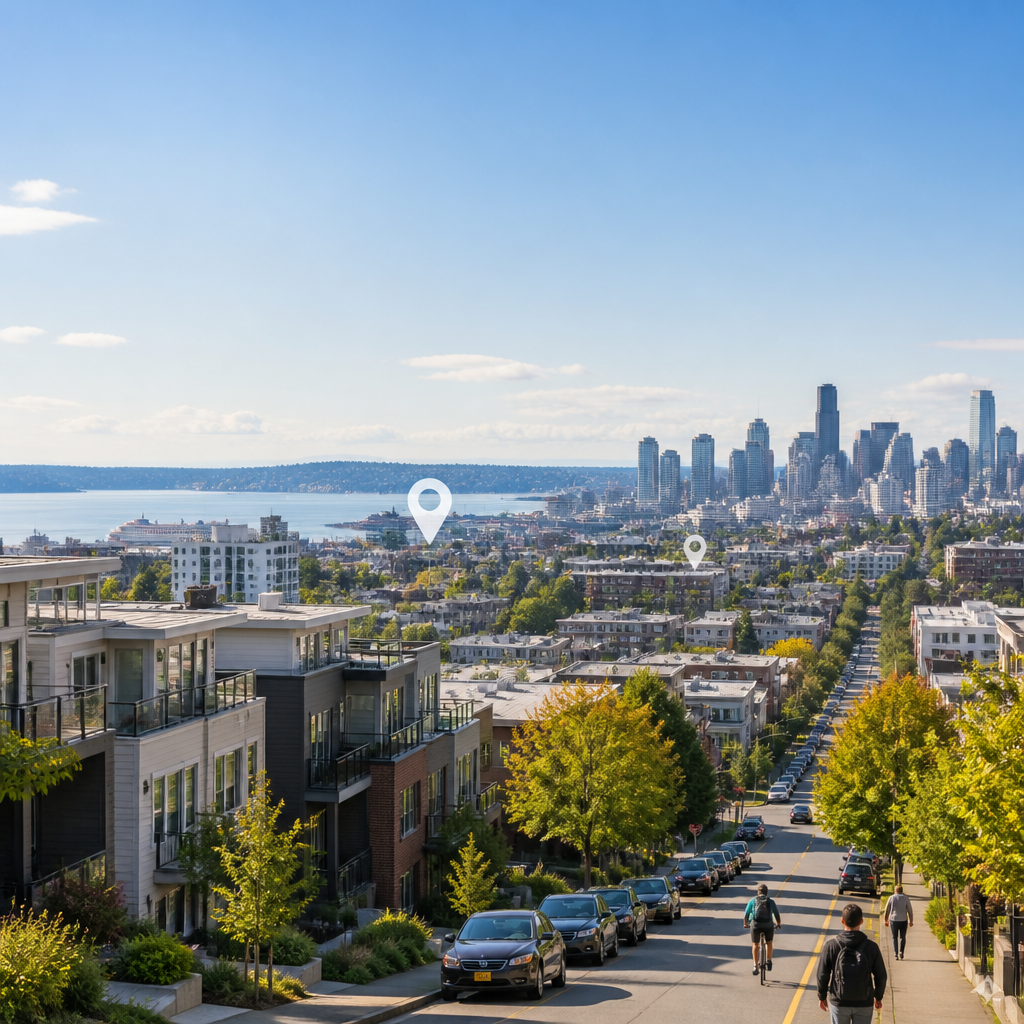
![listing agent in [Area] - aerial neighborhood view with soft map pins and bright midday light](https://cdn.papagoai.com/openai-resp/2026/7/2/39e2abba-3bbf-4166-a2e7-0f3e5e000386.png)
Why You Need a Listing Agent in [Area]: Expert Insights
Why You Need a Listing Agent in [Area]: Expert Insights Choosing a listing agent in [Area] often determines how efficiently a property sells and how much equity remains at closing. According to National Association of Realtors data from 2023, 86% of home sellers worked with an agent rather than sell